
Ogo Journal · 2026-09-23
Should I Get a Robotic Massage?
I’ve actually tried one. Here’s what I think.
I’ll start with a confession.
I don’t naturally love the idea of robots.
If you’d asked me five years ago, I was basically Detective Spooner from I, Robot.
But we’re here.
Robots exist. Self-driving technology exists. AI exists. And increasingly, robotics is making its way into health, fitness and recovery.
So rather than debating whether I’d like that world to exist, I’ve become much more interested in a practical question:
Is any of this stuff actually good?
I’ve now spent time working with robotic massage technology, watched other people experience it and, most importantly, tried it myself.
My answer surprised me.
It’s actually really good.
First: no, it isn’t the same as a human massage
Let’s get this out of the way.
A human touch is a human touch.
A robot cannot replicate the experience of an excellent massage therapist putting their hands on you, feeling what’s going on and adjusting their treatment accordingly.
Anyone pretending otherwise is overselling the technology.
But I also don’t think that’s the right comparison.
Massage guns didn’t need to replace massage therapists to become useful.
Massage chairs didn’t need to replace massage therapists either.
They created another way for people to access recovery.
I think robotic massage belongs in the same conversation.
What does a robotic massage actually feel like?
The product I’ve spent the most time with is FlowMotion by YuanLife.
Before using it, I wasn’t convinced.
Then I got on the table.
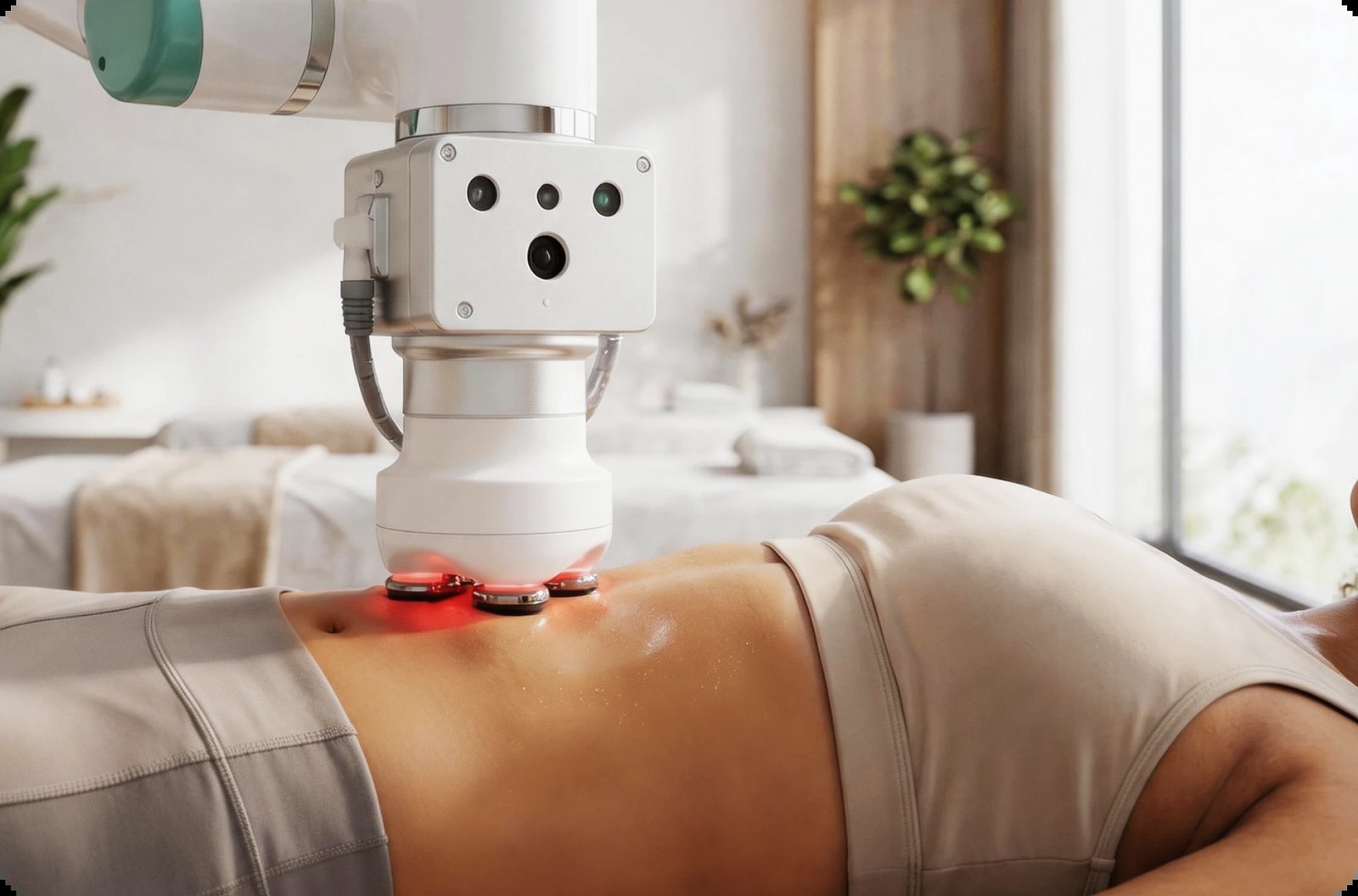
FlowMotion scans the body using 3D vision and uses a robotic arm with adjustable force control to deliver the session. Different modules allow it to provide different types of recovery work, and things like pressure and intensity can be adjusted to the person using it.

But specifications aren’t really what changed my mind.
It was how I felt afterwards.
The actual experience doesn’t feel exactly like somebody massaging you with their hands.
But when I got off the table, my reaction was basically:
Okay. That’s actually solid.
And I’ve watched plenty of other people have a similar reaction.
Is it better than a massage therapist?
This is where I’d be careful.
Better than a brilliant massage therapist?
No.
At least not from what I’ve experienced today.
A highly skilled human can feel, interpret and respond in ways the current technology can’t replicate.
But compared with an average massage experience?
The gap is much smaller than I expected.
And in certain areas, the robot has advantages.
It doesn’t get tired.
The pressure can be consistent.
Settings can be repeated.
Different tools can be used.
And you’re not relying on somebody physically generating that force with their hands for session after session. That’s where it starts becoming interesting.
Will massage robots replace massage therapists?
This was one of my biggest questions.
Interestingly, some of the therapists we’ve spoken to don’t see it that way at all.
They see a tool.
There are parts of treatment where human judgement and skill matter enormously.
There are also repetitive elements of physical work that technology can potentially take on.
A therapist could then spend more of their time assessing somebody, providing specialist hands-on work and dealing with the things that actually require their expertise.
And ultimately, technology raises the bar.
If the only thing separating a service from a machine is the fact that a human is operating it, automation is going to create pressure. But excellent human touch, judgement and expertise are much harder to replace.
Where I think robotic massage gets really interesting
Personally, I’m less interested in somebody buying a giant robot for their spare bedroom.
I’m interested in access.
Think about a busy gym where people already use massage guns and recovery equipment.
A spa that wants to increase the number of treatments it can provide.
A physiotherapy or sports clinic with more demand than its team can currently serve.
A recovery centre.
Or a workplace where hundreds of people spend most of their week sitting at desks and dealing with the consequences.
A robot doesn’t need to replace the existing professionals in those environments.
It can increase the amount of recovery available.
And that’s the part I think has genuine potential.
So, should you get a robotic massage?
If you’re expecting an indistinguishable replacement for an amazing human massage therapist, no.
We’re not there.
If you’re expecting some useless gimmick where a robot awkwardly pokes you for twenty minutes?
We’re well beyond that too.
The technology is already much better than I expected.
And as the sensing, software and personalisation improve, it’s difficult to imagine it getting worse.
I came into this world pretty sceptical of robots.
Having actually tried robotic massage, I’m much less sceptical about this particular use case.
Human massage isn’t going anywhere.
But I don’t think robotic massage is going anywhere either.
And there might be room for both.
FlowMotion by YuanLife
See how robotic massage works, what it needs and where it fits.
Explore FlowMotion →