
Ogo Journal · 9 October 2026
Your Wellbeing Calendar Isn’t Your Wellbeing Strategy
By Bode Bamkole
Every year, businesses plan their wellbeing calendars.
Mental Health Awareness Week. World Mental Health Day. Stress Awareness Month. Employee Appreciation Day.
There are plenty of opportunities to bring people together, start conversations and encourage healthier habits.
In fact, we’ve even created our own wellbeing calendar at OGO to help businesses plan their activities throughout the year.
So there’s a certain irony in what I’m about to say.
Your wellbeing calendar isn’t your wellbeing strategy.
And while I think these dates are genuinely valuable, there’s a bigger question worth asking.
What happens on all the other days?
There’s nothing wrong with a wellbeing day
Let’s start here.
I’m a big believer in bringing people together through experiences.
At OGO, a lot of the experiences we create happen around company all-hands, wellbeing weeks, team events and other moments when organisations have their people together.
And there’s a good reason for that.
These occasions create space.
Space to step away from everyday responsibilities, try something new, connect with colleagues and think differently about health and performance.
A great wellness experience can introduce somebody to a form of movement they’ve never tried.
It can help a team understand stress and recovery.
It can encourage conversations that wouldn’t normally happen in the office.
And sometimes, it can simply give people a much-needed opportunity to enjoy themselves.
That’s valuable.
But there’s a difference between creating a great moment and creating lasting change.
What happens on the other 300 days?
Imagine a company organises an incredible wellbeing week.
There are fitness classes, massages, workshops, healthy food and talks about managing stress.
People love it.
The feedback is brilliant.
Everyone leaves feeling energised.
But then what?
If employees return to exactly the same routines, pressures and behaviours, how much has really changed?
That’s the question I think businesses need to ask.
Because wellbeing isn’t something that only matters when there’s an event in the calendar.
It affects how people show up every single day.
Their energy.
Their concentration.
Their ability to manage pressure.
Their relationships.
Their motivation.
Their capacity to perform.
And as we explored in our previous article about why corporate wellness isn’t a perk, these aren’t simply personal benefits.
They have real implications for business performance.
So if wellness is part of your performance strategy, surely it needs to exist beyond the occasional event?
The difference between awareness and behaviour
One of the challenges with corporate wellbeing is that awareness is relatively easy to create.
Behaviour change is much harder.
Most people already know they should move more, sleep better, manage stress and take time to recover.
The problem isn’t always a lack of information.
It’s what happens when everyday life gets in the way.
Back-to-back meetings.
Long commutes.
Deadlines.
Family responsibilities.
An inbox that never seems to empty.
Suddenly, the things we know are important become the easiest things to neglect.
That’s why I think businesses need to think beyond simply educating their employees about wellbeing.
How do you make healthier behaviours easier to maintain?
And that’s where things get interesting.
Building wellbeing into everyday working life
The good news is that companies have more options than ever.
Platforms like ClassPass and Wellhub can give employees access to fitness and wellbeing services outside the workplace.
On-site personal training, group fitness sessions and movement classes can make physical activity more accessible during the working week.
Massage and recovery experiences can help employees make time to decompress.
Employee communications can reinforce useful habits, share practical resources and keep wellbeing part of the conversation.
Partnerships with gyms, studios, wellness providers and other organisations can give teams access to experiences and services they might not otherwise discover.
And of course, company events and wellbeing days can bring all of these things together.
But here’s the important part.
Having access to wellbeing services isn’t the same as having a wellbeing strategy.
A company can offer an incredible range of benefits that hardly anybody uses.
It can run regular activities without understanding whether employees actually find them valuable.
It can invest in wellness while maintaining working practices that make it almost impossible for people to look after themselves.
So the question isn’t simply what you’re offering.
It’s whether those things fit into how your people actually live and work.
Think about wellbeing like you think about performance
In sport, performance isn’t built around one brilliant training session.
It’s built through consistency.
Training.
Recovery.
Nutrition.
Preparation.
Repetition.
And adapting the programme to the needs of the individual.
I think there’s something businesses can learn from that.
Instead of asking, “What should we do for Wellbeing Week?”
What if the question became:
“How do we help our people perform and feel better throughout the year?”
That changes the conversation.
Suddenly, you’re thinking about the relationship between experiences, everyday habits, workplace culture and the support available to employees.
You’re thinking about how managers encourage healthy working practices.
You’re thinking about whether people actually have time to use the benefits you’re providing.
And you’re thinking about how different initiatives connect rather than treating each one as a separate activity.
It’s a much more interesting challenge.
Use the calendar to create momentum
None of this means businesses should stop celebrating wellbeing days.
Quite the opposite.
I think these moments can be incredibly useful when they’re connected to something bigger.
Take Stress Awareness Month.
You could organise a recovery experience that introduces employees to practical ways of managing stress.
But why stop there?
You could follow it with regular movement sessions, access to recovery services or communications that help employees put what they’ve learned into practice.
Or take a company sales kick-off.
You could bring the team together for an experience focused on energy, resilience and sustainable performance.
Then build on those ideas throughout the quarter.
The experience creates the initial engagement.
The ongoing support gives people opportunities to act on it.
And the next event becomes a chance to reinforce what they’ve learned.
The calendar becomes a tool for building momentum rather than a list of boxes to tick.
That’s how we think about experiences at OGO
At OGO, we believe wellbeing should be something people experience, not just something they’re told about.
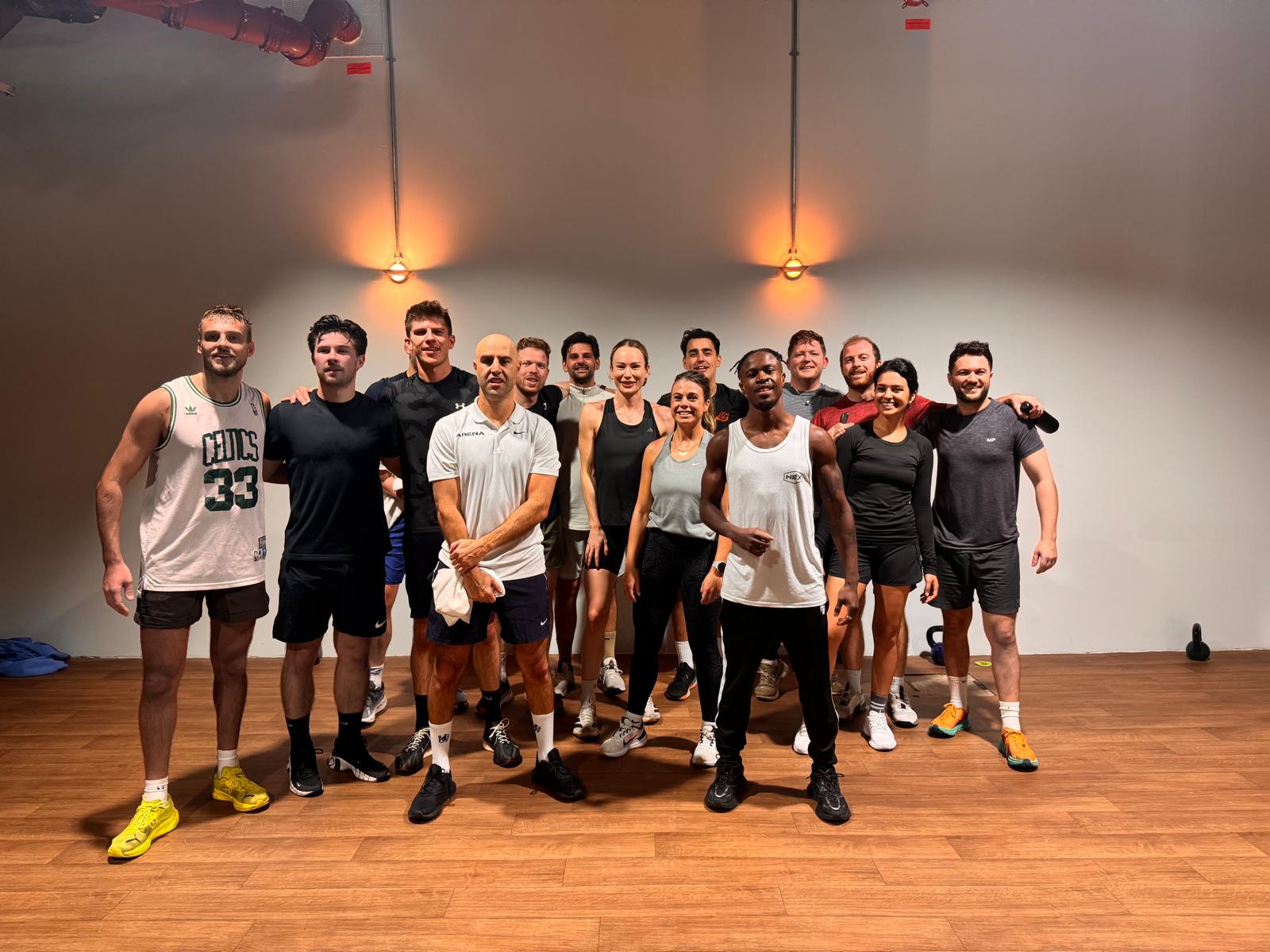
That’s why we create corporate wellness experiences that bring teams together through movement, recovery, challenges and shared activities.
Whether it’s a wellbeing week, sales kick-off, all-hands or company offsite, we want people to leave feeling better, more connected and with something useful they can take into everyday life.
But we also recognise that a single experience can’t do everything.
The most valuable approach connects those moments with the wider wellbeing support a company provides.
That might mean regular activities, employee benefits, fitness partnerships, recovery services or simply helping people develop healthier habits.
Because a memorable experience can inspire change.
But consistency is what gives that change a chance to last.
Your calendar should be the beginning, not the whole plan
I don’t think businesses need to abandon their wellbeing calendars.
I think they need to make better use of them.
Use them to create moments people look forward to.
Use them to introduce new ideas.
Use them to bring teams together.
Use them to celebrate progress.
But don’t confuse having a full calendar with having a healthy workforce.
The real measure of a wellbeing strategy isn’t how many activities you organised.
It’s whether you’re creating an environment where people can look after themselves consistently.
Because wellbeing doesn’t suddenly become important when Mental Health Awareness Week arrives.
It’s important every day.
Your wellbeing calendar should support your wellbeing strategy. It shouldn’t be your wellbeing strategy.
Make your next wellbeing event the start of something bigger
Planning your company’s wellbeing calendar?
At OGO, we help businesses bring their teams together through memorable corporate wellness experiences, from movement and recovery to team challenges and performance-focused activities.
Whether you’re organising a Wellbeing Week, company all-hands, sales kick-off or team event, we can help you create something your people will genuinely enjoy.
Already planning your next wellbeing initiative?
Cover photo by TECNIC Bioprocess Solutions / Unsplash.